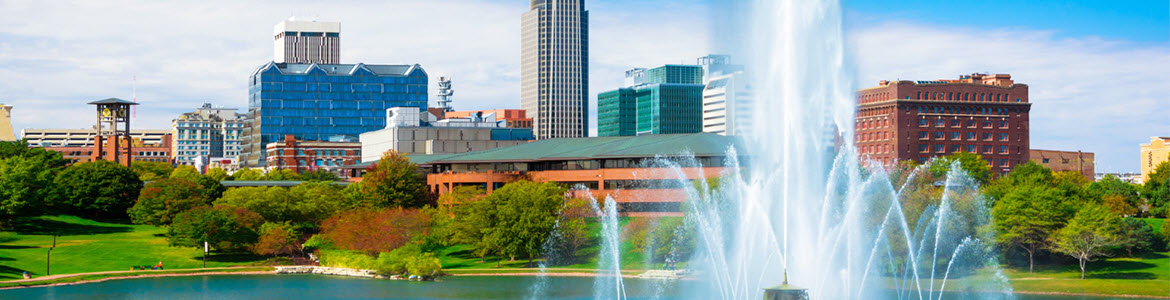
Understanding Omaha’s Strategic Geographic Position
Omaha, Nebraska, often not immediately recognized for its strategic benefits, provides an important geographic advantage for business expansion. Located in the Midwestern United States, Omaha serves as a compelling hub offering several logistical and operational advantages for businesses aiming to extend their reach across the country.
Connectivity and Accessibility
One of the crucial benefits of Omaha is its impressive connectivity. The city’s location at the intersection of major highways is particularly valuable. Interstate 80, a significant east-west corridor in the U.S., passes through Omaha. This highway, along with others, establishes Omaha as a vital node within the extensive U.S. transportation infrastructure. Additionally, the city benefits from a robust rail network, which ensures smooth and efficient transportation of goods. For companies focused on optimizing their supply chain operations, utilizing Omaha’s accessible transportation routes can be highly advantageous.
Beyond road and rail, Omaha is home to Eppley Airfield, Nebraska’s largest airport. The availability of numerous domestic flights at Eppley Airfield significantly enhances Omaha’s accessibility, facilitating business travels to key markets across the United States. This accessibility supports rapid movement and decision-making, crucial for maintaining competitive business practices.
Central Location
Omaha’s central location within the country is an asset for businesses seeking rapid market reach. Being almost equidistant from both American coasts, Omaha provides companies with the ability to distribute products quickly to a significant proportion of the U.S. population. This advantage allows businesses to achieve faster delivery times, potentially within one or two days, reducing both transportation costs and lead times compared to operations based in peripheral locations. Thus, establishing operations in Omaha provides a competitive edge in logistics and customer service efficiency, paired with substantial cost savings.
Cost-Effective Operations
The allure of Omaha extends beyond just its geographic position; it also presents an economically favorable environment for business operations. The cost of living in Omaha is lower compared to major coastal metropolitan areas. This cost efficiency carries over to the business sector, with lower expenses in real estate, utilities, and overall tax obligations. These savings enable companies to allocate their resources more strategically, investing in areas that promise higher returns rather than managing exorbitant operational costs.
Furthermore, Omaha boasts a skilled labor force, supported by local universities and colleges that develop programs tailored to industry needs. This educational foundation ensures that businesses have access to a talented workforce without facing the high salary demands common in larger markets. By choosing Omaha, firms benefit from a talented pool of potential employees, ready to contribute to various business functions without inflated costs.
Collaborative Business Environment
Omaha also supports a collaborative business climate, where local government entities and organizations are committed to fostering economic growth. This environment offers numerous resources and incentives for businesses considering expansion in the region. These resources may include tax credits, grants, and innovation incentives, designed to encourage business development and expansion. Such a nurturing environment helps in reducing the risks typically associated with scaling operations.
Local organizations, such as the Greater Omaha Chamber of Commerce, provide active support for new businesses or those seeking to expand. Businesses in Omaha are part of a community where collaboration is appreciated and actively pursued, allowing for networking opportunities and regional partnerships that can enhance a company’s market presence and operational capabilities.
By leveraging Omaha’s unique geographic location, businesses can unlock significant logistical, economic, and operational advantages. Choosing Omaha as a base allows companies to efficiently access a large market, reduce operational costs, and enjoy the advantages of a supportive business community. For additional information about relocating or expanding your business to Omaha, a thorough exploration of resources offered by the Greater Omaha Chamber of Commerce is recommended.
In sum, Omaha, with its strategic geographic positioning, connectivity, cost-effective operational environment, and supportive business climate, is a remarkable and sometimes underrated choice for businesses looking to expand. A consideration of Omaha’s various benefits can help companies make informed decisions, leading to growth and prosperity in an increasingly competitive market. Conclusively, establishing a presence in Omaha aligns companies for operational efficiency, market access, and long-term success, solidifying their competitive stance within national and even global markets.